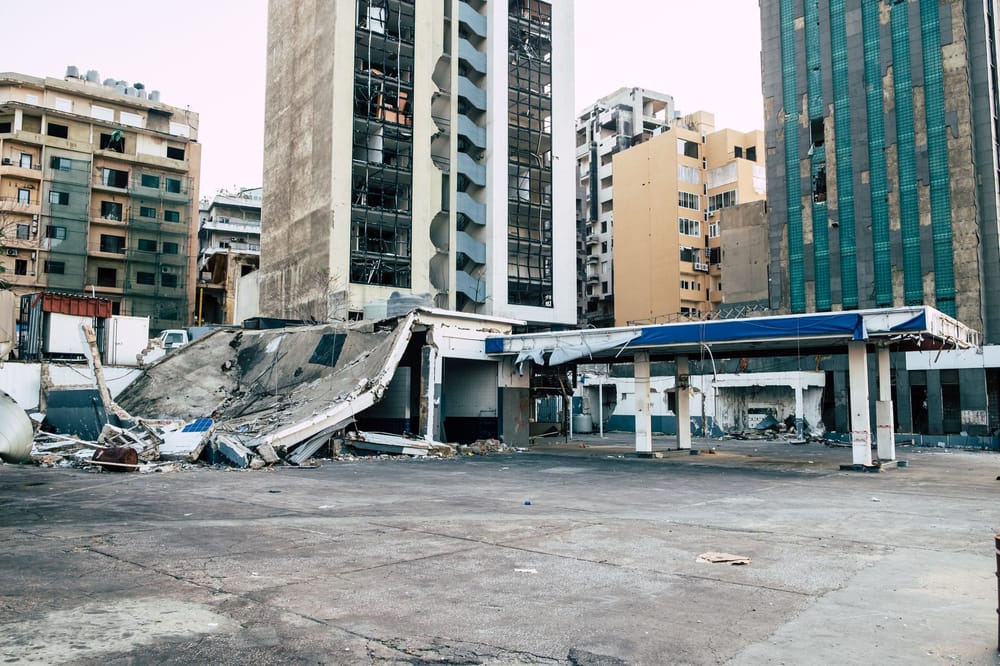
Israeli strikes in southern Lebanon killed at least seven people, including two children, on Saturday, according to Lebanese official reports, hours after multiple governments and the United Nations said a ceasefire agreement had been reached. For Chattanooga readers, the immediate relevance is practical as families with relatives in the region, service members, travelers, and businesses watching fuel and shipping costs now face fresh uncertainty over whether the truce will hold.
Lebanon's National News Agency and the Lebanese Ministry of Public Health reported casualties after strikes hit areas in the south. The reported deaths raise new questions about implementation of the ceasefire and the risk that wider diplomacy, including sensitive U.S.-Iran talks, could come under added strain.
What officials have confirmed so far
The ceasefire itself was publicly referenced by several official bodies, including the U.S. Department of State, Israel's Foreign Ministry, the Lebanese presidency and the United Nations. But Lebanese official incident reports on Saturday indicated that fighting had not fully stopped on the ground.
- Lebanon's National News Agency reported strikes in southern Lebanon on Saturday.
- The Lebanese Ministry of Public Health said at least seven people were killed, including two children.
- The U.S. Department of State, Israel, Lebanon and the United Nations each issued public statements indicating a ceasefire agreement had been reached.
- As of publication, the available official statements did not resolve why deadly strikes were reported after the ceasefire announcements.
Lebanese official reports said the strikes happened after ceasefire statements had already emerged, leaving the status of the truce in doubt.
Those casualty figures are based on Lebanese official sources. Claims about intent, responsibility for specific targets, or whether any side formally violated implementation terms remain subject to further official clarification.
Why the ceasefire matters beyond the border area
The ceasefire matters locally because renewed cross-border fighting can affect air travel, shipping, energy prices and U.S. foreign policy. Chattanooga households and businesses may feel the effects indirectly if instability pushes up fuel costs or disrupts supply chains.
The timing also matters diplomatically. The source material says the U.S.-Iran deal is under threat, meaning any renewed violence involving Israel and Lebanon could complicate already fragile regional negotiations.
What remains unclear
- Whether the reported strikes were launched before, during or after the exact start time of the ceasefire.
- Whether all armed actors on the ground accepted and implemented the same terms at the same time.
- Whether the ceasefire mechanism includes monitoring, enforcement or verification steps that can quickly address alleged violations.
Readers should treat early battlefield reports with caution. Death tolls and timelines in active conflicts often change as emergency crews recover victims and governments issue updated statements.
What Chattanooga readers should watch next
The clearest next signals will come from official statements by the U.S. Department of State, the Lebanese presidency, Israel's government and the United Nations. Updates from Lebanon's health ministry and civil defense will also matter because they provide the first official casualty and rescue information from affected areas.
Readers who want to understand how this newsroom handles verification can review our Source Transparency and Editorial Policy pages. Anyone with direct local ties to the region who has relevant verified information can also use our Contact Us page.
For now, the central fact is unchanged: official ceasefire announcements were followed by reported deadly strikes in southern Lebanon, and the durability of the agreement remains uncertain.
Primary sources: U.S. Department of State, U.S. Department of State, The White House, U.S. Department of the Treasury, U.S. Congress, U.S. Government Publishing Office / National Archives, Central Intelligence Agency, U.S. Department of the Treasury, Office of Foreign Assets Control. Reported by Source Text Link, National News Agency (Lebanon), Lebanese Ministry of Public Health, Lebanese Civil Defense, Reuters, Government of Israel (Ministry of Foreign Affairs), Presidency of the Republic of Lebanon, United Nations, International Atomic Energy Agency, United Nations Security Council, Chattanooga Times Free Press.