Doctors are warning families that a child can drown in seconds, as federal data show drowning deaths among U.S. children have increased in recent years. For Chattanooga-area parents, grandparents and caregivers spending time around backyard pools, the Tennessee River, Chickamauga Lake and local creeks, the message is immediate: close supervision, swim skills and barriers such as pool fencing can save lives.
The Centers for Disease Control and Prevention, or CDC, reported that drowning death rates in the United States rose in 2020 and stayed elevated through 2022. According to the agency, drowning is the leading cause of injury death for children ages 1 to 4, and children and teenagers also face higher risks in natural water, including lakes and rivers.
What the federal data show about child drowning risk
The CDC said there were 4,500 drowning deaths each year in the United States on average during 2020 to 2022, about 500 more per year than in 2019. The agency's National Center for Health Statistics has also identified drowning as a major cause of unintentional injury death for children.
- For children ages 1 to 4, drowning is the leading cause of injury death, according to the CDC.
- Drowning rates increased across the U.S. from 2019 to 2022, based on CDC Vital Signs data.
- Risk differs by age, with younger children often drowning in pools and older children more often exposed in natural water.
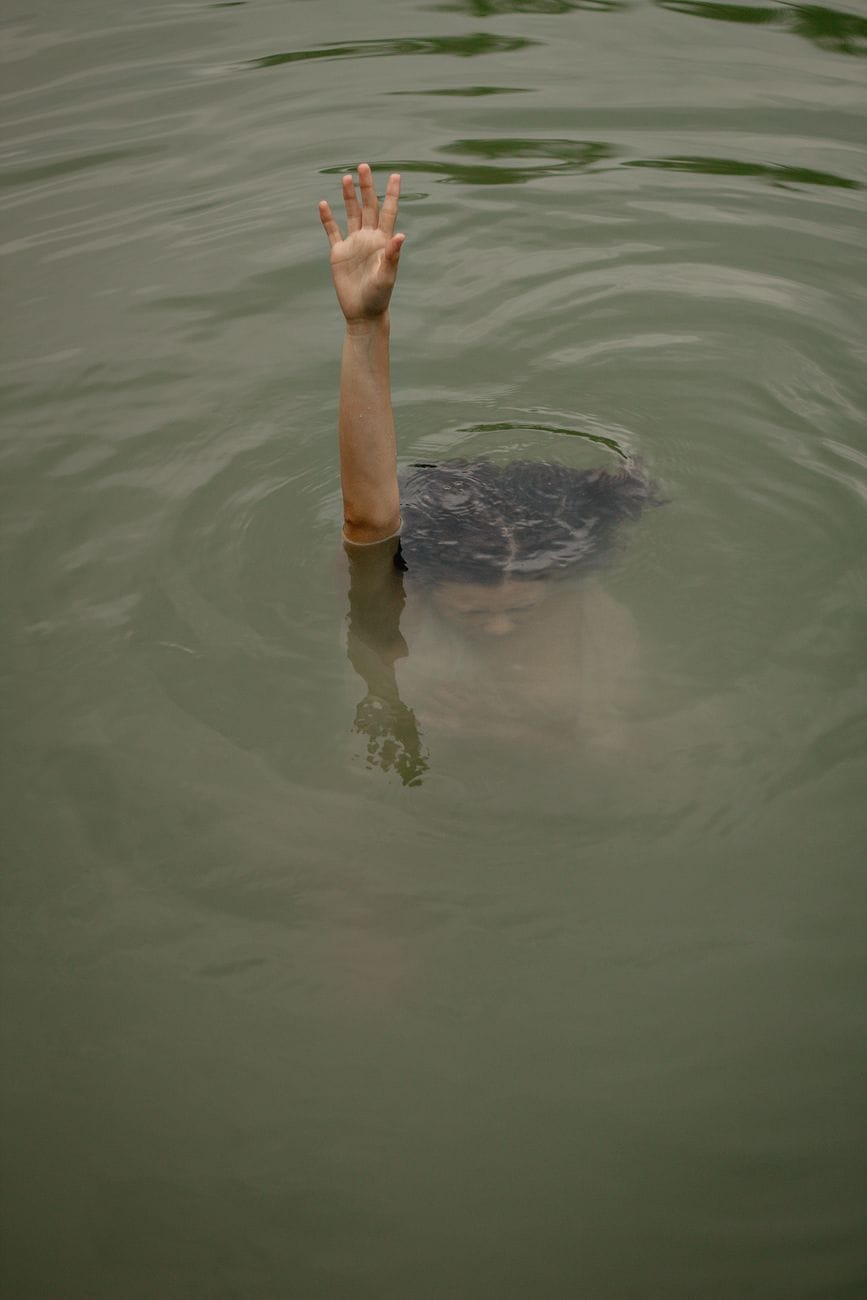
Drowning can happen quickly and quietly, often in seconds, according to CDC guidance and physicians warning families ahead of peak summer swimming season.
That matters locally because many families in Chattanooga spend time near water during school holidays and long weekends. Parents taking children to neighborhood pools, the lake or riverfront areas may need to plan supervision before they arrive, not once children are already in the water.
Why doctors say prevention has to start before children swim
Doctors cited in the reporting said drowning is often silent. A child may slip below the surface without splashing or calling for help, which is why experts recommend a designated adult watcher who is not distracted by a phone, food, conversation or alcohol.
CDC prevention advice focuses on several layers of protection rather than a single step. That includes learning basic swimming and water safety skills, wearing U.S. Coast Guard-approved life jackets where appropriate, and using four-sided fencing with a self-closing, self-latching gate around home pools.
- Stay within arm's reach of young children in or near water.
- Assign one adult to watch children continuously during swimming.
- Use life jackets for boating and for weaker swimmers in open water.
- Install and maintain barriers around pools.
- Learn CPR so an adult can respond before paramedics arrive.
Readers who want to understand how this newsroom handles sourcing and verification can review our Source Transparency and Editorial Policy pages.
What Chattanooga families can do before a pool or river outing
For local residents, the practical next step is to make a water safety plan before leaving home. That means deciding who is supervising, checking whether children have life jackets that fit, and choosing swim areas that match a child's ability.
Families using home or apartment pools should check gates and latches, remove toys from the water after use, and avoid relying on flotation toys as safety devices. For outings to rivers and lakes, adults should expect currents, changing depth and low visibility, which can make rescues harder than in a pool.
Steps parents and caregivers can take now
- Book swim lessons suited to a child's age and skill level.
- Ask pool operators about lifeguard coverage and safety rules before visiting.
- Choose a designated water watcher for each swim session.
- Keep a phone nearby for emergencies, but out of the watcher's hand unless calling 911.
- Learn CPR through an official training provider before peak summer outings.
If a child goes missing near water, experts say adults should check the water first and call 911 immediately. For families seeking instruction, the official channels are CDC water safety guidance and certified CPR and swim lesson providers.
Primary sources: Centers for Disease Control and Prevention (CDC), Centers for Disease Control and Prevention (CDC), Centers for Disease Control and Prevention (CDC) - National Center for Health Statistics. Reported by Source Text Link, Chattanooga Times Free Press.