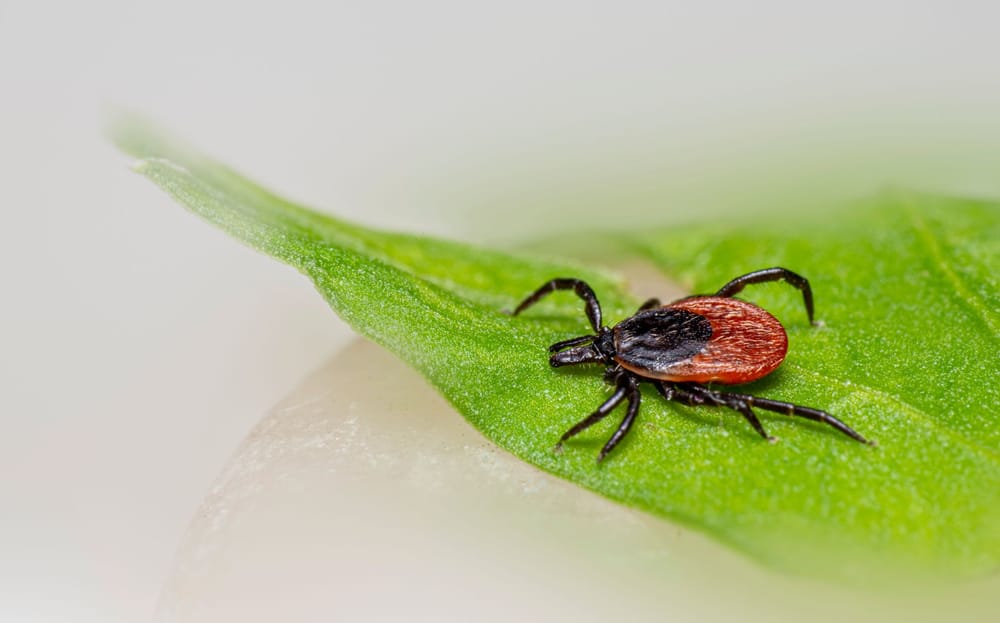
Health officials are warning that tick bites can do more than spread infections such as Lyme disease. They can also trigger alpha-gal syndrome, a potentially life-threatening allergy linked to red meat and other products from mammals, according to the U.S. Centers for Disease Control and Prevention.
For Chattanooga-area residents, hikers, parents at summer camps, and anyone working outdoors, the advice matters during peak tick season. The CDC says people can lower their risk by preventing tick bites, watching for delayed allergic reactions after eating meat, and seeking medical care if symptoms suggest anaphylaxis, a severe allergic emergency.
What alpha-gal syndrome is, and why it can be serious
Alpha-gal syndrome is an allergy to a sugar molecule called alpha-gal that is found in most mammals, but not in fish, reptiles, birds, or people, the CDC says. The condition has been associated in the United States with bites from the lone star tick, a species found across much of the South and East.
Unlike many food allergies, symptoms often do not begin right after eating. The CDC says reactions commonly appear 2 to 6 hours after exposure, which can make the condition harder to recognize.
The CDC says alpha-gal syndrome "can be severe or life-threatening" and may occur after people eat red meat or are exposed to other products containing alpha-gal.
Symptoms listed by the CDC and Mayo Clinic can include:
- Hives or an itchy rash
- Nausea, stomach pain, vomiting, or diarrhea
- Heartburn or indigestion
- Cough, shortness of breath, or difficulty breathing
- Swelling of the lips, throat, tongue, or eyelids
- Dizziness or fainting
- Anaphylaxis, which is a medical emergency
The CDC says some people react after eating beef, pork, lamb, venison, or other mammalian meat. Some may also react to products made from mammals, including certain dairy products, gelatin, or some medicines and medical products.
Why tick prevention matters for people in Tennessee
The condition is getting more attention because many people know ticks can spread bacterial infections such as Lyme disease, but may not know they can also trigger an allergy. The CDC says avoiding tick bites is the best way to prevent alpha-gal syndrome.
That is especially relevant for people spending time in woods, tall grass, parks, sports fields, and backyards during warm months. In practical terms, that includes campers, gardeners, utility workers, trail users, and families at outdoor events.
Steps the CDC recommends to reduce tick bites
- Use an EPA-registered insect repellent on skin, following the label directions
- Treat clothing and gear with products containing 0.5% permethrin, or buy pretreated items
- Wear long sleeves and long pants when possible
- Walk in the center of trails and avoid brush and tall grass
- Check your body, children, pets, and gear for ticks after being outdoors
- Shower soon after coming indoors and wash or dry clothing on high heat
Residents looking for broader public health standards can review this site's Editorial Policy and Source Transparency pages for how official guidance is handled and attributed.
How doctors diagnose it, and what to do next
The CDC says diagnosis is based on a patient's symptoms, history of tick exposure, diet, and testing ordered by a clinician. Medical literature cited by the National Library of Medicine shows the syndrome can be overlooked because reactions may be delayed and can vary from person to person.
Anyone who develops trouble breathing, throat swelling, fainting, or other signs of anaphylaxis should call 911 immediately. People with suspected alpha-gal syndrome should contact a primary care doctor or allergist for evaluation.
For residents trying to decide whether a reaction might be linked to a tick bite, the official CDC alpha-gal syndrome pages and clinician guidance remain the main public reference point. If readers spot a local public health issue that needs coverage, they can also Contact Us.
What readers can act on now
- Prevent tick bites during yard work, hikes, and camps
- Watch for delayed reactions after eating red meat or mammal-based products
- Seek urgent care for severe allergy symptoms
- Ask a doctor or allergist whether testing is appropriate if symptoms follow a tick bite or meat exposure
Primary sources: Centers for Disease Control and Prevention, Centers for Disease Control and Prevention, Centers for Disease Control and Prevention, Centers for Disease Control and Prevention, Centers for Disease Control and Prevention, Centers for Disease Control and Prevention, Centers for Disease Control and Prevention, Centers for Disease Control and Prevention, National Library of Medicine / PubMed Central, National Library of Medicine / PubMed Central, National Library of Medicine / PubMed Central, Arkansas Department of Health, Centers for Disease Control and Prevention, U.S. Food and Drug Administration, New York State Department of Health, New York State Department of Health, NCBI Bookshelf / StatPearls, PubMed Central / NIH. Reported by Source Text Link, Mayo Clinic, Cleveland Clinic Journal of Medicine, U.S. Department of Defense / Military Health System, Asthma and Allergy Foundation of America, Johns Hopkins Medicine, Chattanooga Times Free Press.